





 Log In
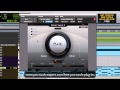
Turning the central button to the sweet side decreases the transients amplitude. To the bitter side, the transients amplitude is magnified. BitterSweet also features a control for processing the signal. When the main position is selected, the process affects the stereo signal. If Center is selected, only the M signal of the internal MS matrix is processed. If stereo is selected, only the S signal from the MS matrix is processed. Three transient detection modes can be selected. Varying periods of integration for transients can be accessed. A Link function is available to compensate the output gain with respect to the transient processing setting.
Like all Flux:: plug-ins, it features 64 bit floating point processing, up to 8 channels and up to 8 FS (384 KHz). Center and Stereo Modes are only available in stereo processing (2 channels).
We hope you will enjoy this new toy and make your Mix Sweeter or Bitterer.
Neither Flux or iLok dongle, nor registration are required.
Features
- Up to 8 channels Input/Output.*
- 64-bits internal floating point processing.
- Sampling rate up to 384 kHz DXD (Pyramix DSP based).
- Sampling rate up to 384 kHz for native (AU/RTAS/VST).Output Gain, controlling the gain at the end of the processing
- Bypass routes the incoming signal direct to the output for a true smooth transition between processed and clean signal.
Three different transient processing modes:
- Main, using a regular stereo signal scheme for the processing.
- Center, processing the Mid channel only, very efficient for snare and kick drums.
- Stereo, processing the Side channel only, very efficient for panned rhythmic/transient instrument
Transient Amount
On the Sweet side the transients are reduced, usually decreasing transient rich percussive sounds in the mix. On the Bitter side the transients are magnified, usually increasing transient rich percussive sounds in the mix.
Transient Integration
Transient Integration provides three different modes of transient processing; Fast, Medium and Slow
Period
Period controls the range of the time window used to detect the transients that will be processed
Output Gain
Controls the Output Gain at the end of the processing (-/+ 12 dB).
Link To Output Gain
With Link enabled, the Output Gain is compensated, depending on the Transient Amount, to achieve unity gain.
Operation Modes
Three different modes offering versatile transient processing, Main, using a regular stereo signal scheme for the processing. Center, processing the Mid channel only, very efficient for snare and kick drums. Stereo, processing the Side channel only, very efficient for panned rhythmic/transient instruments
*Not when using Center and Stereo mode, as they are M/S modes requiring stereo operation.
System Requirements And Supported Interfaces
BitterSweet, as all Flux:: plug-ins, provide
- Up to 8 channels Input/Output.*
- 64-bits internal floating point processing.
- Sampling rate up to 384 kHz DXD (Pyramix DSP based).
- Sampling rate up to 384 kHz for native (AU/RTAS/VST).
*Not when using Center and Stereo mode, as they are M/S modes requiring stereo operation.
Compatibility
All major native formats as well as AVID AAX DSP are supported
- Windows - XP, Vista, 7 and 8 all in both 32 and 64 bits.
- VST (2.4)
- AAX Native/DSP
- Mac OS X (Intel) - 10.7 and 10.8 in both 32 and 64 bits.
- VST (2.4)
- AU
- AAX Native/DSP


